The venue
The location is in the historic city of Viterbo, in central Italy. Viterbo holds the record for the largest medieval historic centre in Europe and has four UNESCO World Heritage Sites, as well as many other places steeped in history and authenticity.
The event will take place at the beautiful Santa Maria in Gradi campus, one of the University of Tuscia's most iconic locations.
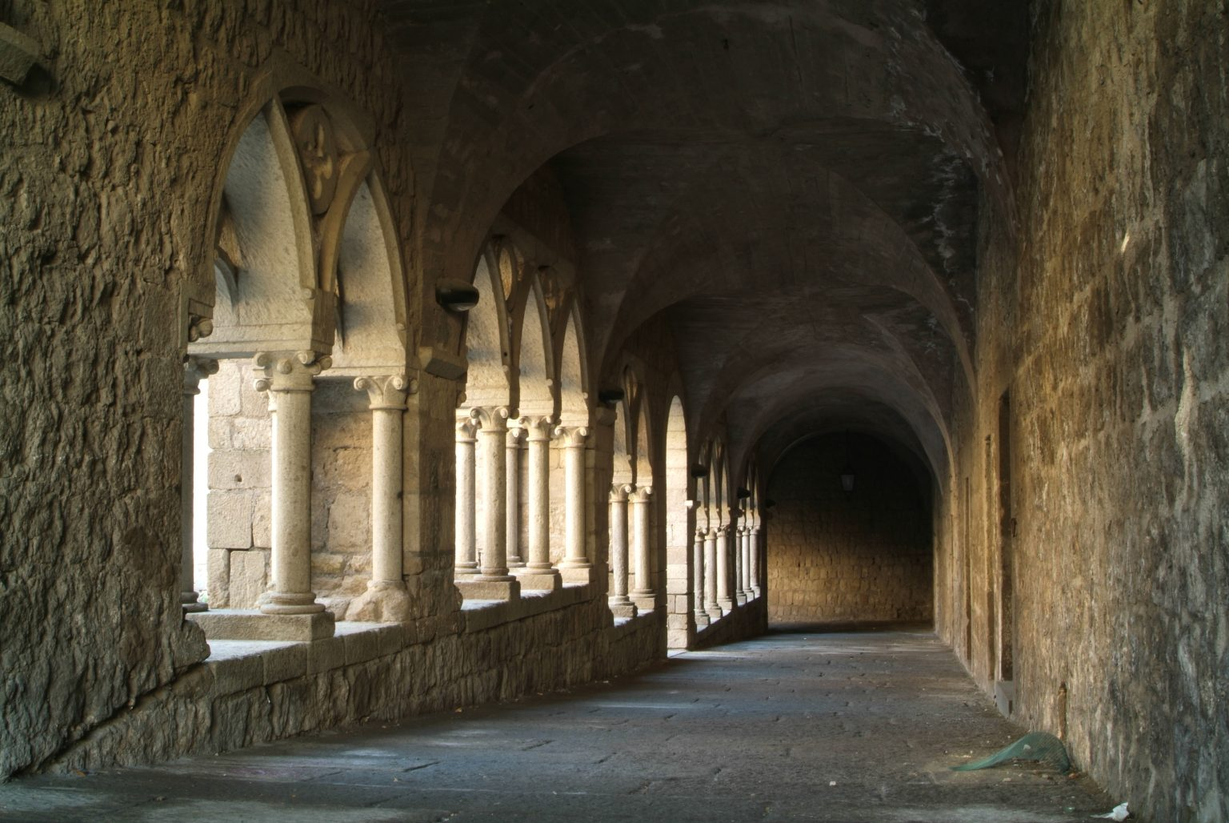
13th Century cloister
It is the 13th century, the era of Pope Innocent III and Emperor Frederick II, a period of great splendor for the city of Viterbo. This cloister was built during that time and still retains its remarkable beauty today.
Today is continually preserved also thanks to the students of the degree “Conservation and restoration of cultural heritage”
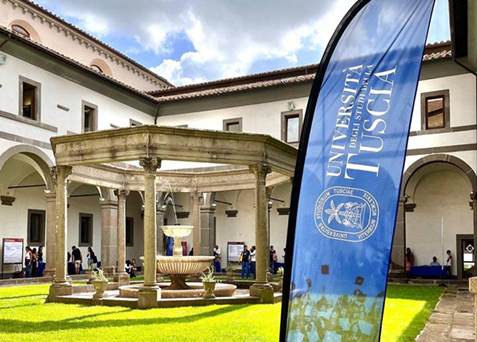
17th Century cloister
The second cloister attached to the monumental complex, originally Gothic in style, dates back to the second half of the 17th century in its current form.
The poster session and coffee break will take place in the evocative atmosphere of these two cloisters.
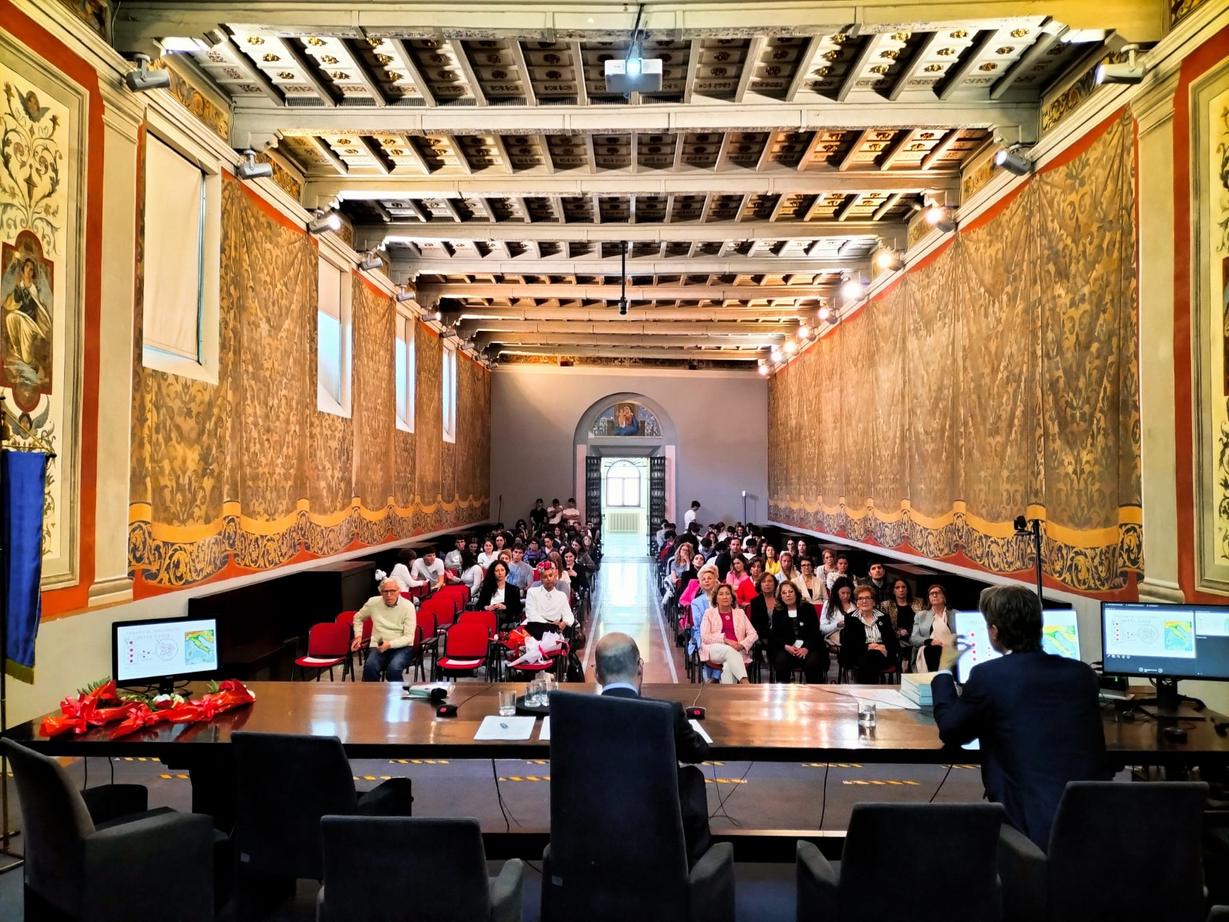
Aula magna
The oldest Aula magna of the University of Tuscia, with a of 200-seat capability, allows for the perfect atmosphere for talks by international speakers.
Visit Viterbo
For those who wish to explore this beautiful region beyond the days of the event, here are a few suggestions:
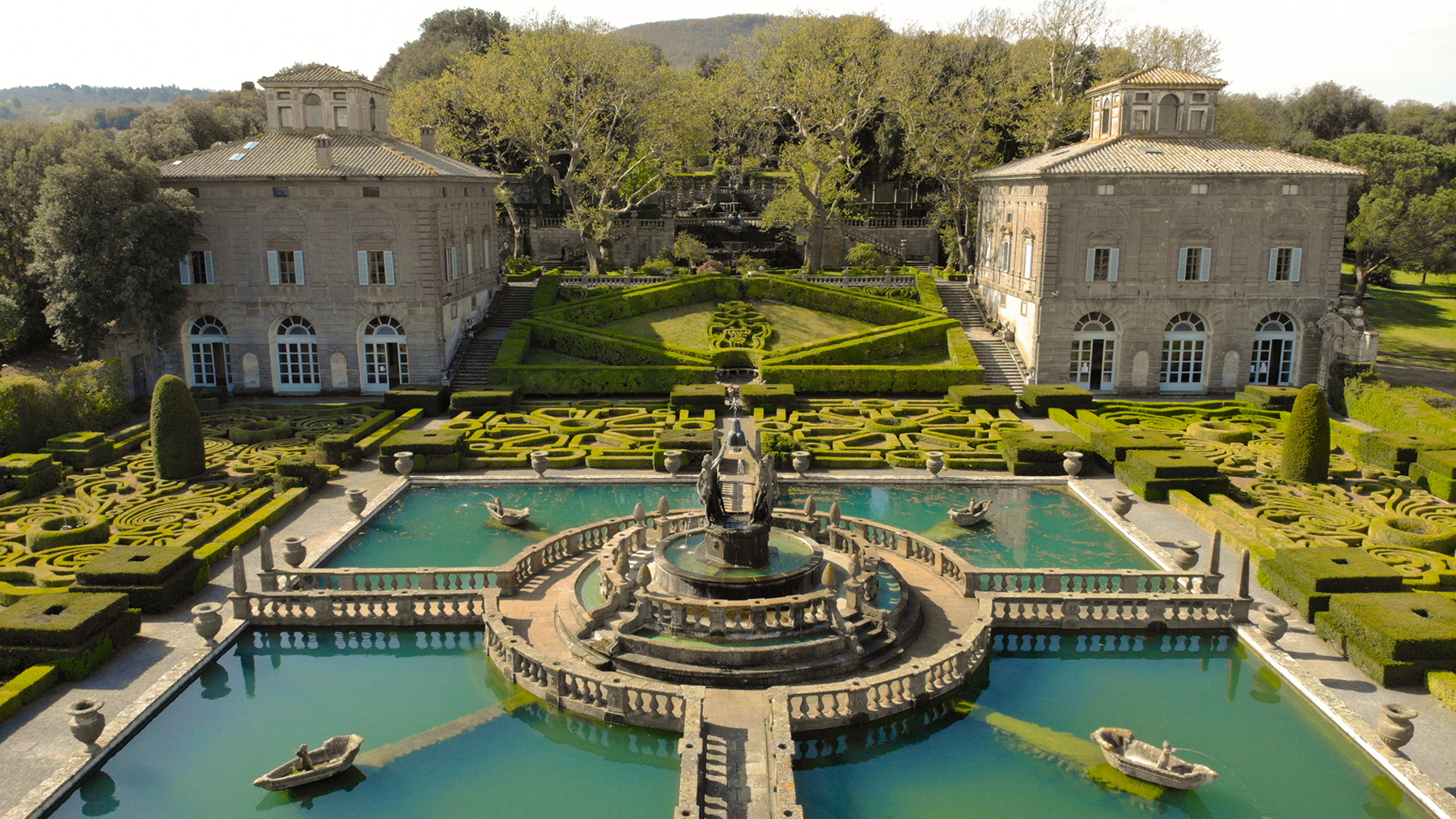
Just a few kilometers from Viterbo, in the village of Bagnaia, stands the magnificent Villa Lante, built in 1578 and likely designed by Jacopo Barozzi da Vignola. This remarkable complex is one of the finest examples of an Italian Renaissance garden in central Italy, where architecture and nature blend in perfect harmony.
The entrance in the main park is free, and you will pay a small amount to visit the hystorical gardens
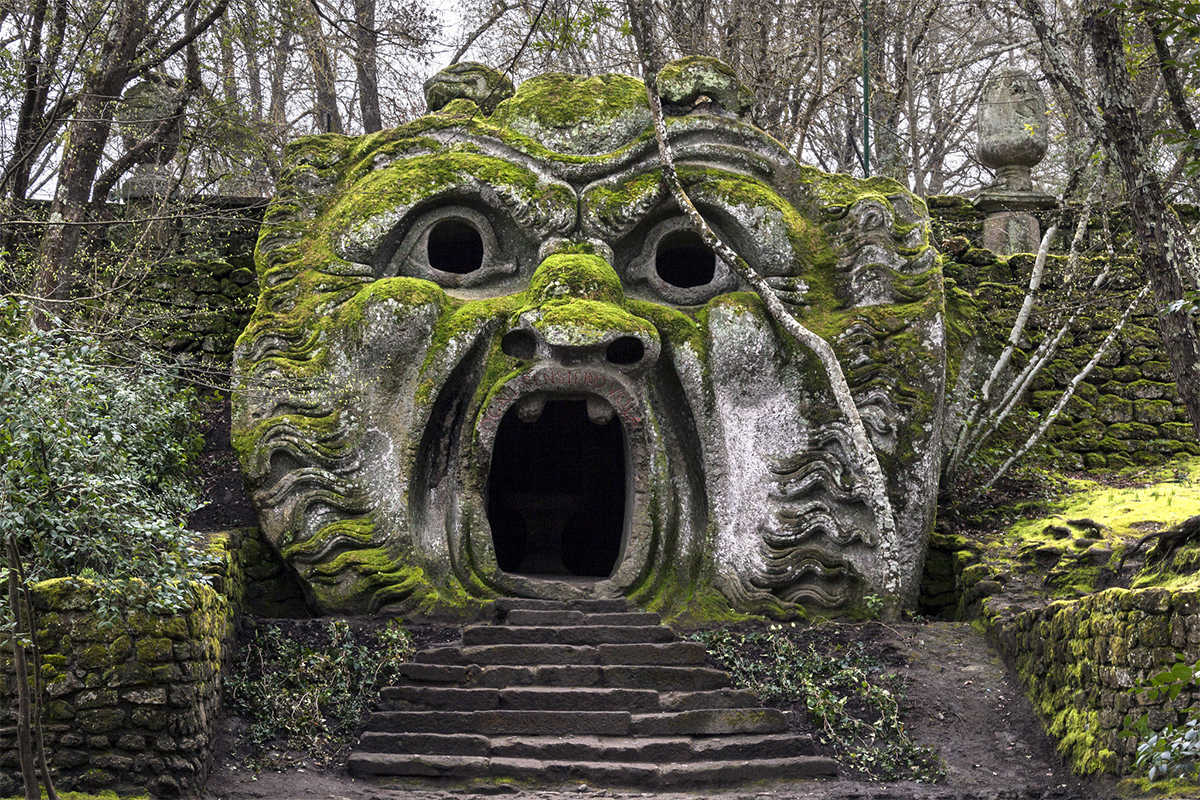
Continuing along Via Ortana, you reach Bomarzo, home to the fascinating Parco dei Mostri (in english, "The monster park" ) and the Castello Orsini. In 1552, Prince Vicino Orsini created a unique symbolic park filled with enormous sculptures and mythical creatures, designed to amaze and disorient visitors. The mysterious atmosphere and artistic imagination make this place truly one of a kind.
Another must-see destination is Caprarola, dominated by the impressive Palazzo Farnese, a Renaissance masterpiece also designed by Vignola. The palace captivates visitors with its stunning frescoes and elegant Italian gardens. From its panoramic position, you can admire the Monte Soratte, Monte Terminillo, and the Monti Sabatini. Inside, the magnificent Scala Regia stands out, a spiral staircase supported by thirty Doric columns.

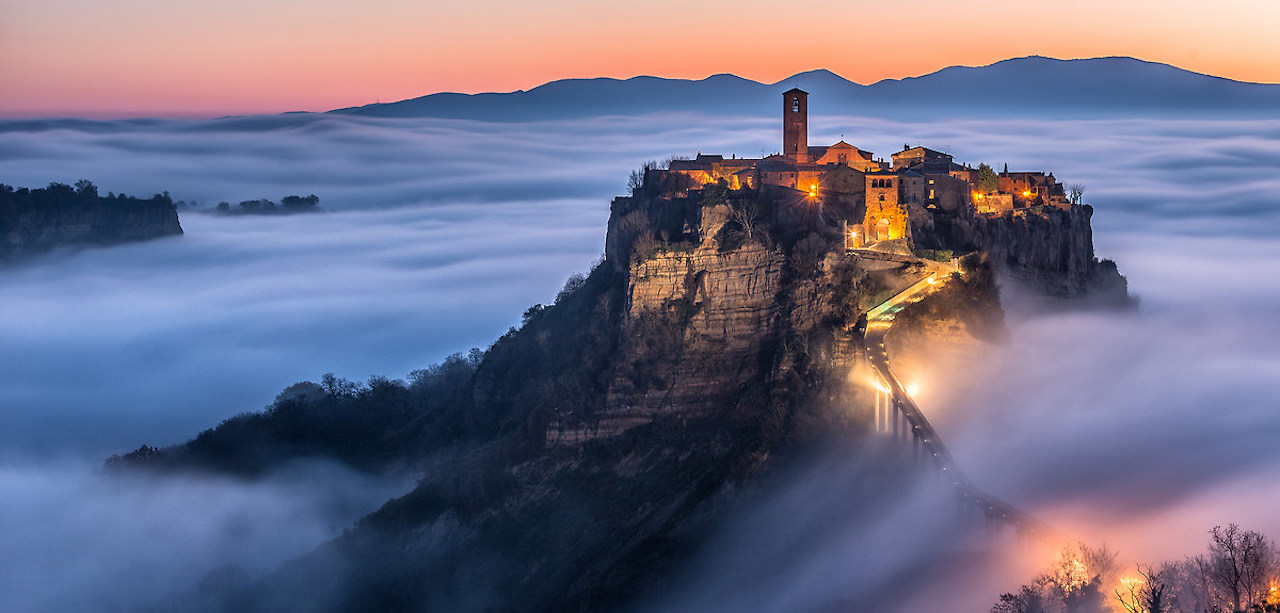
Heading further inland, you arrive at Civita di Bagnoregio, famously known as the “dying town.” Perched on a fragile tuff plateau subject to constant erosion, it is surrounded by dramatic clay badlands that give the landscape a surreal, almost lunar appearance, especially at sunset. Accessible only on foot via a long bridge, Civita feels like a place frozen in time.
The Tuscia region is also rich in spiritual traditions and historic sites. In Viterbo, every year on September 3rd, the famous Trasporto della Macchina di Santa Rosa takes place in honor of Saint Rose of Viterbo. During this spectacular event, an imposing structure nearly 30 meters tall is carried through the city streets on the shoulders of one hundred men, known as the “Facchini di Santa Rosa.”

Nature lovers will appreciate the beauty of the Riserva Naturale del Lago di Vico. Nestled within the Monti Cimini, this protected area covers about 3,000 hectares, featuring lush forests of beech, chestnut, and oak trees, alongside cultivated hazelnut groves. Nearby, close to Soriano nel Cimino, lies the ancient beech forest, a peaceful and valuable natural environment ideal for immersion in the region’s biodiversity.

Finally, Viterbo is also renowned for its ancient thermal baths, known since Etruscan and Roman times for their healing properties. Among the most famous are the Terme dei Papi, Tuscia terme, Bagnaccio, and the natural hot springs of Bullicame, less curated but free. Surrounded by nature, these thermal waters offer a unique opportunity to relax and experience a tradition of wellness that has been appreciated for centuries.
