Yutaka Kamada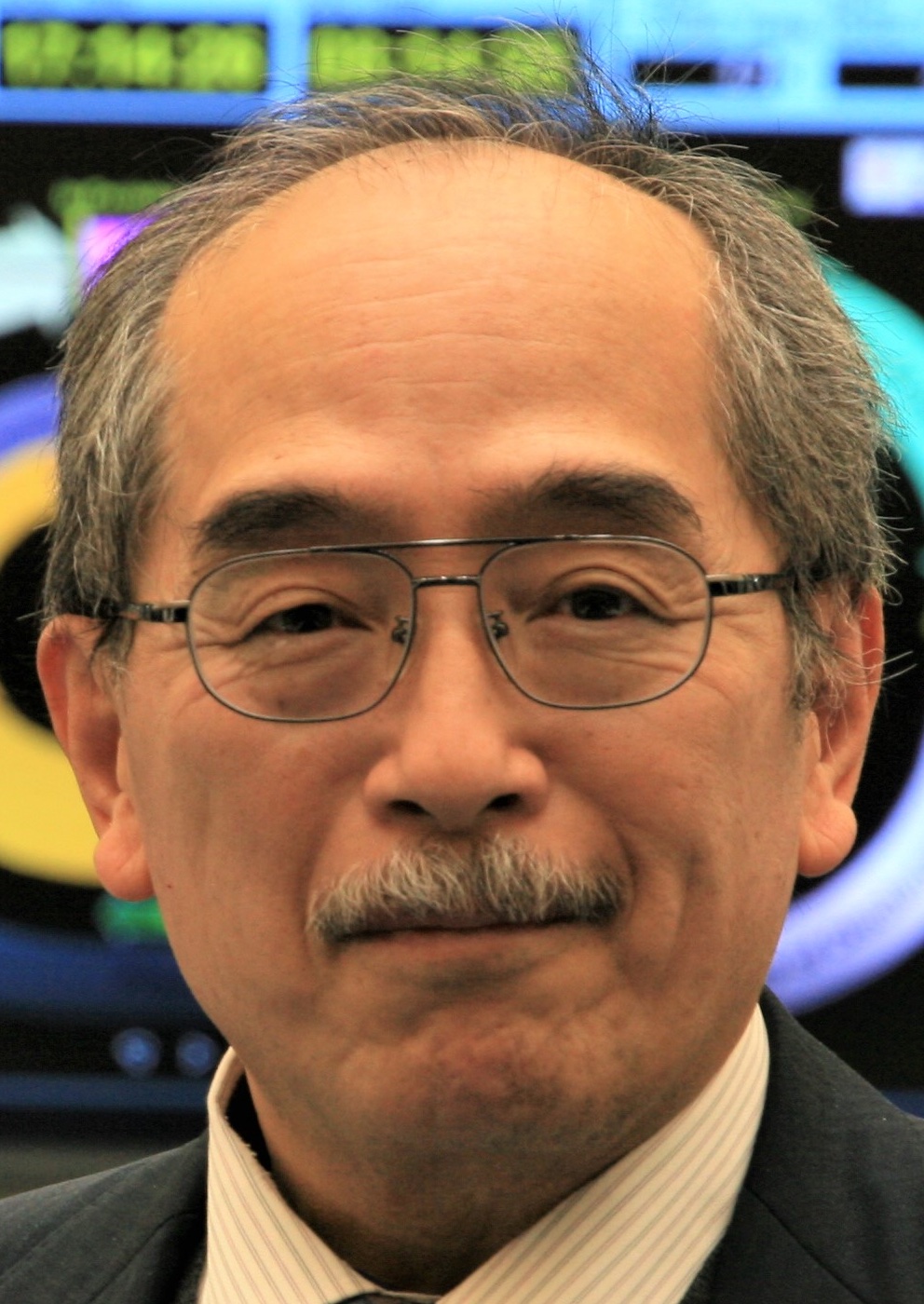
Yutaka Kamada is the Deputy Director General (Science and Technology ) of the ITER Organization.
In 1988 he obtained his Ph.D. at the University of Tokyo, in the department of Nuclear Engineering. His intstitutional contributions include being Director of Division of Advanced Plasma Research QST in 2012, Deputy Director General of Naka Fusion Institute QST in 2018, Deputy Director General of the ITER Organization in 2023.
Internationally, his contribution are JT-60SA Japanese Project Manager (from 2008 till 2018) and JT-60SA Project Leader (from 2018 till 2020), ITPA-CC Chair, ITER STAC Chair and ITER IC JA Member.
The main research subjects Yutaka Kamada is involved in, are the development of attractive tokamaks and steady-state high integrated performance plasmas.
Alberto Loarte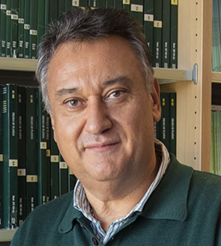
Alberto Loarte is the head of the Science Division at the ITER Organization and has co-authored a large number of papers in peer-reviewed journals and conference proceedings. His works have been referenced about 30,000 times and his H-index is 77 (based on Web of Science). He is a member of the European, Spanish and American Physical Societies and Fellow of the UK Institute of Physics and of the American Physical Society. He has been co-Chair of the Scrape-off Layer and Divertor Physics, Edge Plasma and Pedestal Physics and Transport and Confinement topical groups of the International Tokamak Physics Activities and secretary to the ITER Council Science and Technology Committee. He has also played a leading role in the development of the physics basis behind the design of the ITER tokamak and of the plans for its scientific exploitation (the ITER Research Plan).
Alberto Loarte carried out his PhD research at the Joint European Torus where he also completed his postdoctoral research. After that, he joined the EFDA-Close Support Unit at the Max Planck Institut für Plasmaphysik in Garching, where he was responsible for the EFDA Technology Programme in the area of plasma-wall interactions for ITER. In 2008, he joined the ITER Organization Science Division. His research has focused on the characterization and control of stationary and transient wall power fluxes in tokamaks and on issues related to the integration of high core confinement plasmas with edge plasma requirements for power and particle exhaust.
Mario Merola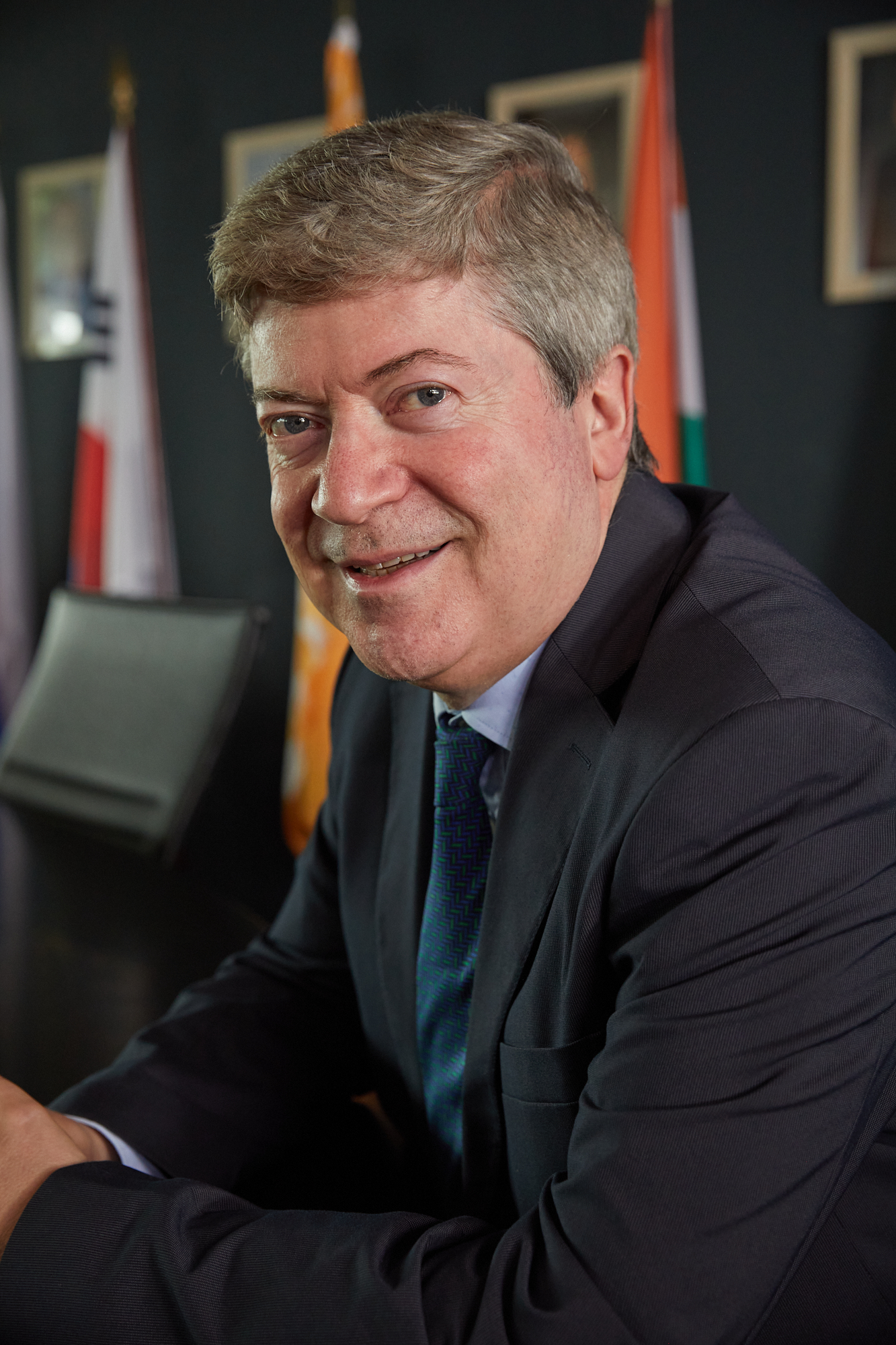
Mario Merola earned his PhD in Development and Testing of Plasma Facing Components of the ITER Fusion Reactor in 1993 from the Polytechnic University of Milan, Italy. He served as an Assistant Professor in “Nuclear Plants” at the Polytechnic University of Turin, Italy, until 1996. That year, he joined The NET Team/EFDA in Garching, Germany, the former European coordination entity of the Fusion Technology Programme. He was responsible for the European Technology Programme in the Divertor until August 2005.
In September 2005, Merola joined the ITER Organization in Cadarache, France, as Leader of the Divertor Section. In September 2009, he became Head of the Internal Components Division. From February 2021 to September 2023, he served as Head of the Engineering Design Department before being appointed Head of the Nuclear Technologies Program until July 2024. He then became Deputy Head of the Engineering Services Department, overseeing approximately 750 ITER staff.
Merola is the author of more than 200 scientific papers and has delivered invited talks at international conferences. He has also appeared on several Italian television broadcasts, including “La Scala Mercalli” on RAI 3, “TG2 Post” on RAI 2, and “Restart” on RAI 2.
Jens Reich
Jens Reich is a Mechanical Engineer who works in the field of Fusion since 1998, starting from the Stellarator Wendelstein 7-X Project, Germany, and followed in 2008 by the ITER Tokamak Project in France, Cadarache.
He has experience in the successful management of integration aspects and coordination of design, construction & installation activities of large, fusion related components in collaboration with industrial partners. He also has experiences in the field of European / International Fusion projects.
Current Employment:
Since 2024, Jens Reich has been working at the ITER Organization as Machine Assembly Program Head. There he is the lead on installation activities of the Tokamak core machine with the first successful assembly of cryostat, superconducting Magnet systems and start of Vacuum Vessel sector module assembly as results up until now. He set the Machine Assembly organization structure towards the assembly execution with different groups and responsibilities. He defined strategies for major assembly contracts based on a defined work package approach and he takes a role in the management of installation contracts according to cost, schedule and quality.
Rosaria Villari
Rosaria (Sara) Villari is responsible of Fusion Neutronics Calculations group in the FUSEN TEN laboratory of ENEA Nuclear Department in Frascati (Rome, Italy). She holds a master’s degree in physics, a post-degree specialization in health physics, and a Ph.D. in microsystems engineering.
With more than 20 years of experience, her expertise focuses on fusion neutronics for the design and safety of ITER, DEMO, JET, JT-60SA, and DTT tokamaks, including benchmark experiments at the Frascati Neutron Generator. She if proficient in nuclear analyses using the MCNP Monte Carlo code, hold qualifications in radiological protection, and has extensive knowledge of neutron measurements and dosimetry. She has coordinated neutronics experiments at JET, validating nuclear codes used for ITER predictions.
Currently, she is the Sub-Project Leader for "Neutronics, Nuclear Waste, and Safety" within EUROfusion WP PrIO (Preparation of ITER Operation), where she oversees the technological exploitation of JET D-T operations and the R&D activities performed within EUROfusion in support to the preparation of ITER nuclear operation.
Additionally, she serves as vice-chair of Executive Committee and Sub-Task Leader for Neutronics in the IEA Technology Collaboration Programme on Nuclear Technology of Fusion Reactors (TCP-NTFR). Furthermore, she is the coordinator for the Fusion Technology developments in the frame of EU-China collaboration for defining the BEST tokamak Research Plan. Since 2018, she is also Editor of Fusion Engineering and Design journal.
Tomoyuki Takeda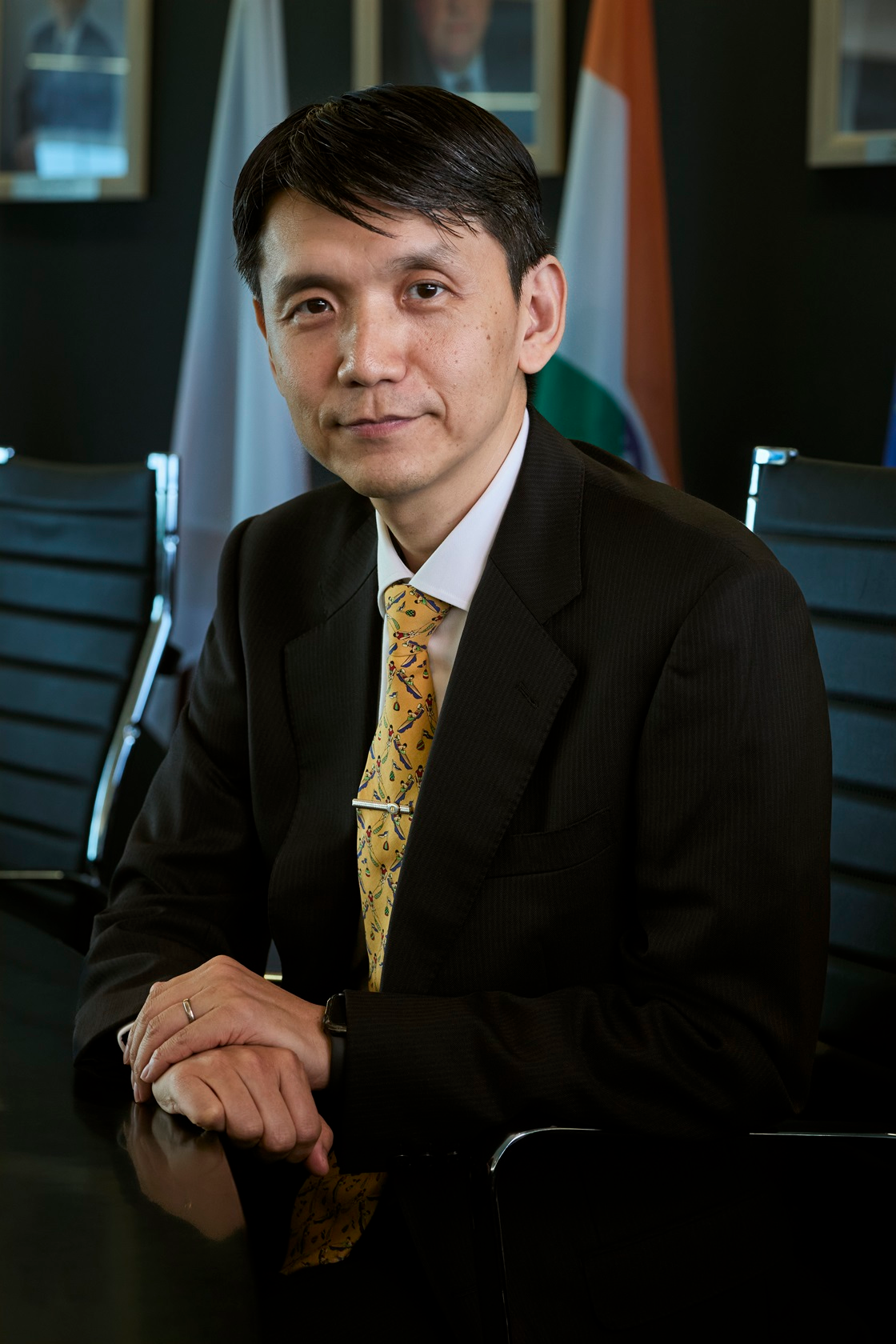
Tomoyuki is currently an Engagement and Inclusion Officer at ITER, where he leads the implementation of the organizational plan to optimize staff engagement and inclusion across ITER’s diverse, multicultural work environment, including employer branding, recruitment, talent development, and benefit equity. His work fosters collaboration across domestic agencies of ITER Members and champions underrepresented voices to shape inclusive policies and practices. He also plays a key role in internal communications and initiatives that promote a culture of inclusion.
With more than 17 years of experience of leadership in this area, Tomoyuki’s work on strategic diversity, inclusion and multiculturalism has spanned global organizations such as Amazon, PwC, and Nissan. With a strong foundation in STEM and a data-driven approach, he has led impactful initiatives in gender equity, support for diverse sexual orientations and gender identities, disability advocacy, and cross-cultural integration. His ability to diagnose organizational challenges through both quantitative and qualitative analysis has made him a trusted advisor to senior leadership.
Tomoyuki holds a Master of Science in Aeronautics & Astronautics and a Bachelor of Science in Mechanical Engineering from the University of Washington. His unique blend of technical expertise and human-centered leadership enables him to design pragmatic, inclusive solutions that drive measurable change. He is also a certified Global Dexterity Method trainer.
Eva Delgado Crespo
Eva Delgado Crespo is a nuclear system integration engineer who certifies as an INCOSE system engineer. She is a chemical Engineer from the Polytehnic University of Valencia, driven by vocation since the age of 9, when—growing up in a humble, non-academic family—she asked for a “Microcheminova” chemistry set for Christmas and began developing a passion for chemistry and engineering. She has 19 years of experience, almost entirely in the energy sector, having worked as a Systems Engineer at Empresarios Agrupados, focusing on thermal power plants. Initially, she was involved in the design of combined cycle plants and later assigned to the Almaraz nuclear power plant.
Currently, she has been working for 5 years at ITER (a fusion energy project located in France) as part of the ITER staff, where she is the responsible engineer for systems such as nuclear HVAC and other safety support systems like compressed air, demineralized water, and nitrogen, all of which are critical in the event of an accident.
She is also responsible for the integration of the TBMs (Tritium Breeding Modules) into ITER. Her main role is to ensure the physical and functional integration of these systems within the Tokamak (the fusion reactor) and other nuclear buildings on the ITER site.
Since the end of 2023 and until 2025, she serves as the European Union’s representative on the ITER Ethics Committee, which is responsible for ensuring that all workers uphold the organization's code of values. Since the end of 2024, she has also been the leader of the Women & Allies in ITER group.
Victoria Winters
Victoria Winters is the leader of the Young Investigator’s Group SOLARIS (Scrape-Off Layer Analysis and Refinement In Stellarators) in the Institute for Physics at the University of Greifswald. She obtained her BSc in Nuclear Engineering and Physics at the Massachusetts Institute of Technology (MIT). From there, she earned her MSc and PhD in Engineering Physics at the University of Wisconsin – Madison in 2016 and 2019 respectively, focusing on carbon erosion and transport in the Wendelstein 7-X (W7-X) stellarator. Victoria continued her work on stellarators as a post-doctoral researcher at the Max Planck Institute for Plasma Physics from 2019-2023, where she was awarded a EUROfusion Researcher Grant in 2021 to study impurity transport in the stellarator island scrape-off layer and divertor. Since 2023 she has been a member of the permanent scientific staff at the Max Planck Institute for Plasma Physics. In 2025, Victoria was awarded a grant from the German Federal Ministry of Research, Technology, and Space (BMFTR) to start a young investigator’s group at the University of Greifswald. The group, which has received funding for the next 5 years, aims to further advance the physics basis and reactor-readiness of the stellarator island divertor exhaust concept.
Victoria is involved in multiple collaborative stellarator activities around the world, including the Coordinated Working Group Meeting (CWGM) activity hosted by the IEA, where she is co-chair of the SOL/divertor subtopical group. She also leads the sub-topical group on heat and particle exhaust in the island divertor within the EUROfusion activity assessing key physics uncertainties and research needs for the stellarator DEMO development.